Tradie Cancelled Jobs Tracking: Keeping tabs on lost work
Learn effective tradie cancelled jobs tracking methods to understand why quotes get rejected and minimise lost work. Improve your business now.
Quick answer
Tradie cancelled jobs tracking means logging every quote's outcome and reason so you can spot patterns instead of just losing income. Put a written cancellation policy on every quote, such as a 50% charge for cancellations within 48 hours of the start, and take a deposit, e.g. a 20% deposit on a $10,000 reno covers $2,000 upfront.
Why jobs get cancelled and how to track them
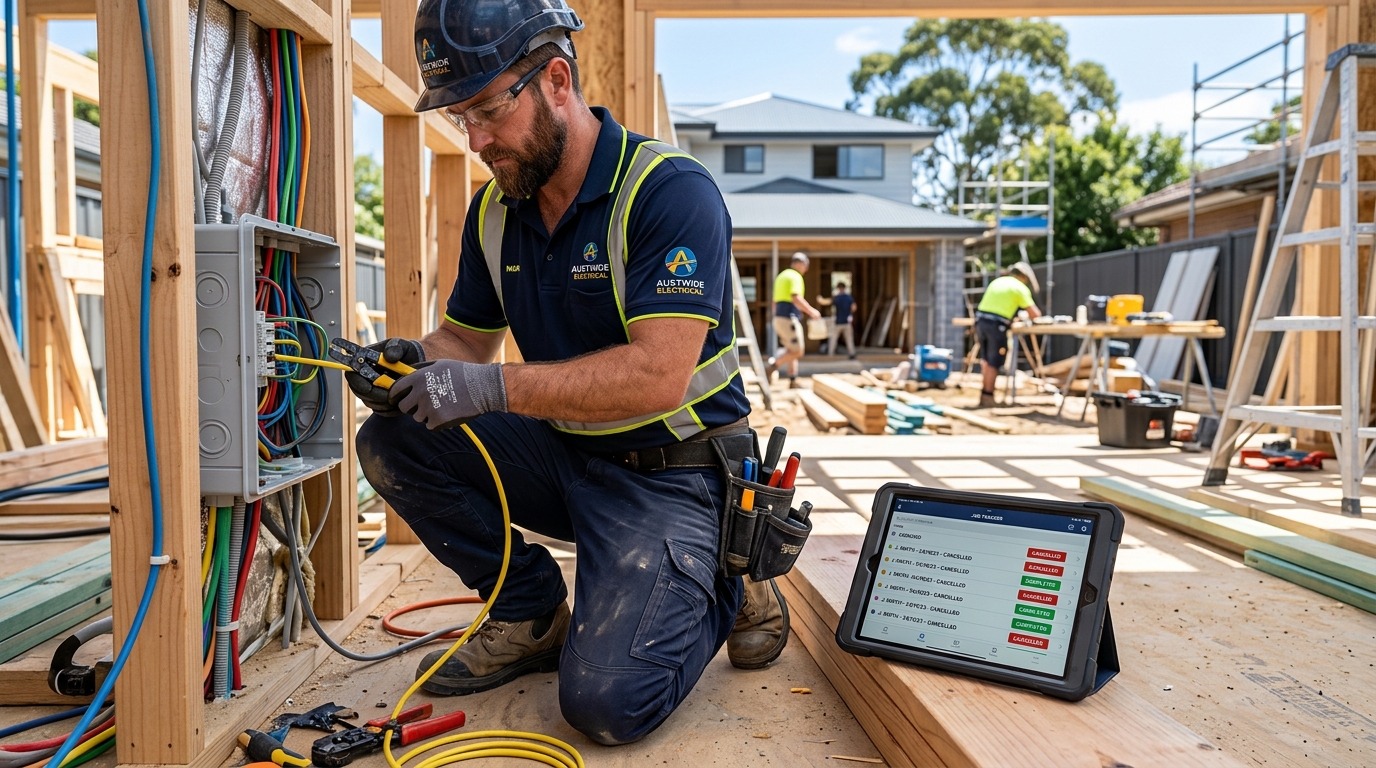
Jobs get cancelled for a few key reasons: budget changes, scope creep, or simply the customer changing their mind. The impact on a tradie is immediate — lost time, lost materials, and a gap in the schedule. Effective tradie cancelled jobs tracking starts with a simple record of every job you quote and why it didn't proceed. Many tradies lose money by not understanding why tradie quotes get rejected. Was your price too high? Did the customer find another tradie? Did the job scope change? You need to know. Track these rejections in a basic spreadsheet or your quoting software. Note the date, customer, job type, and the reason for cancellation. This raw data helps you see patterns. For example, if you consistently find customers cancelling after the initial quote because of cost, it might indicate your pricing is out of line with local expectations or your value isn't clear enough. Keeping a physical notebook is better than nothing, but digital records are easier to sort and analyse later. Make it a habit to log every interaction, successful or not.
Clear cancellation policies protect your income
The easiest way to cushion the blow of a cancellation is a clear policy and an upfront deposit. Your cancellation policy should be in writing on every quote and contract. State what happens if a customer cancels within 24, 48, or 72 hours of the scheduled start. For instance, 'Cancellations within 48 hours incur a 50% charge of the quoted labour for that day.' For larger jobs, demand a deposit. This covers your initial costs for materials, permits, or booking subcontractors. For example, a 20% deposit on a $10,000 bathroom renovation gives you $2,000 upfront. This acts as a commitment from the client and offsets the immediate financial hit if they pull out. Ensure your deposit terms are clear: non-refundable after a certain point, or only refundable if specific conditions are met. Always issue a formal invoice for the deposit through your quoting app, making it official.
Effective communication prevents misunderstandings
Often, job cancellations stem from poor communication. Keep the customer informed at every stage, from quoting to project updates. Before starting, clearly outline the scope of work, expected timelines, and payment schedule. Get confirmation from the client that they understand and agree to these terms. If delays occur, notify them immediately with a new timeline and explanation. Don't wait for them to chase you. Send text updates for arrival times or project milestones. A customer who feels informed and respected is less likely to pull the pin, even if minor issues arise. Regular updates build trust, reducing one of the key tradie quote rejection reasons: uncertainty. Make sure your quotes are easy to read and understand, not just a list of numbers. Include details about specific materials and methods. A simple email confirming the details after a phone call can save headaches later.
Document everything: your written proof
Paper trails are your best friend if a job goes south. Keep records of every communication: emails, text messages, and notes from phone calls. If you have a verbal agreement about a variation or a cancellation, follow up with an email to confirm it in writing. This creates a solid base of evidence. Take photos before, during, and after the work. These can prove the condition of the site, progress made, and the quality of your finished work. This is vital when disputes arise or when a customer claims work wasn't done as agreed, leading to tradie lost jobs analysis. Store all project documents – quotes, contracts, variations, invoices, and communications – in one digital folder for easy access. Losing these records can cost you thousands in disputed payments. Good record-keeping shows you're professional and protects your interests.
Analyse lost jobs to sharpen your business
Don't just lament lost work; learn from it. Regularly review your tradie cancelled jobs tracking data. If you see a pattern of why tradie quotes get rejected – for example, too expensive for smaller jobs or delays in starting – use this information. Are your material costs too high? Are you over-quoting your labour? Perhaps you're targeting the wrong type of client. This tradie lost jobs analysis helps you refine your quoting strategy, adjust your pricing, or even change your marketing approach. If a particular service is consistently getting cancelled, maybe it's not profitable for your business. Consider adjusting your offerings or increasing your efficiency. Regular analysis means you turn setbacks into improvements, making your business more resilient. Aim to review your cancelled jobs data at least once a quarter, or monthly for higher volume businesses.
Quoting software simplifies tracking and reduces cancellations
Modern quoting software does more than just generate invoices; it’s a powerful tool for tradie cancelled jobs tracking. Platforms like QuoteMate allow you to mark quotes as 'accepted,' 'rejected,' or 'cancelled,' logging the reasons. This gives you instant data for tradie lost jobs analysis. Features like automated follow-ups for outstanding quotes can prompt clients to commit or explain their delays, heading off potential cancellations. Professional, branded quotes increase client confidence, reducing tradie quote rejection reasons related to perceived professionalism. You can easily include clear terms and conditions, cancellation policies, and deposit requirements directly in your digital quotes. This ensures the client sees them every time. Using an app ensures all your communications and job details are stored in one place, making documentation easy and reducing the chance of something falling through the cracks. It also speeds up the process, so you can get quotes out faster.
When a job cancels with unpaid work, pursue it
If a customer cancels after you've started work or incurred significant costs, and they refuse to pay for services rendered or materials ordered, you have options. First, send a formal invoice for the work completed and any non-refundable deposits or cancellation fees, clearly referencing your terms and conditions. If payment isn't forthcoming, follow up with polite but firm reminders. For persistent non-payment, formal channels might be necessary. This could involve small claims court or mediation services offered by your state's fair trading body. Always ensure you have clear documentation of agreements, communications, and work done. Check your local state government's fair trading website for guidance on consumer disputes and debt recovery. For example, in Victoria, visit the Consumer Affairs Victoria website at www.consumer.vic.gov.au for information on dispute resolution. Getting legal advice from a solicitor specialising in construction law might be wise for larger amounts. These channels are a last resort, but they're there to protect tradies.
Pro Tips
- Always take a deposit on jobs over $1,000 to cover upfront costs.
- Log every quote and its outcome in your software, even cancelled ones.
- Send a text or email confirmation after every key verbal discussion.
- Include clear cancellation terms on all quotes and contracts.
- Review your cancelled job data quarterly to spot pricing or service issues.
- Use photos to document site conditions before, during, and after work.
- Keep all job files, including communications, in one digital folder.
Quote This Job in Under 2 Minutes
Skip the spreadsheet. QuoteMate’s AI pulls real-time supplier prices and generates a professional PDF quote you can send on the spot.
Or try it on the web →Related Trade
More Guides
- How to Quote a Shower Screen Installation in Australia
- How to Quote LED Downlight Installation in Australia
- How to Price a Kitchen Renovation Accurately for Australian Tradies
- How to Quote a Concrete Driveway: Your Guide to Accurate Pricing
- How to Quote Roof Replacement Australia: Get Your Pricing Spot On
- How to Quote Tile and Slate Work Accurately for Australian Tradies
- How to Quote Interior House Painting: A Tradie's Guide to Accurate Pricing
- Mastering How to Quote a Solar Panel Installation for Australian Tradies