Mastering How to Quote a Solar Panel Installation for Australian Tradies
Learn the ins and outs of how to quote a solar panel installation in Australia. Get accurate pricing for panels, inverters, batteries, and labour, boosting your profit.
Quick answer
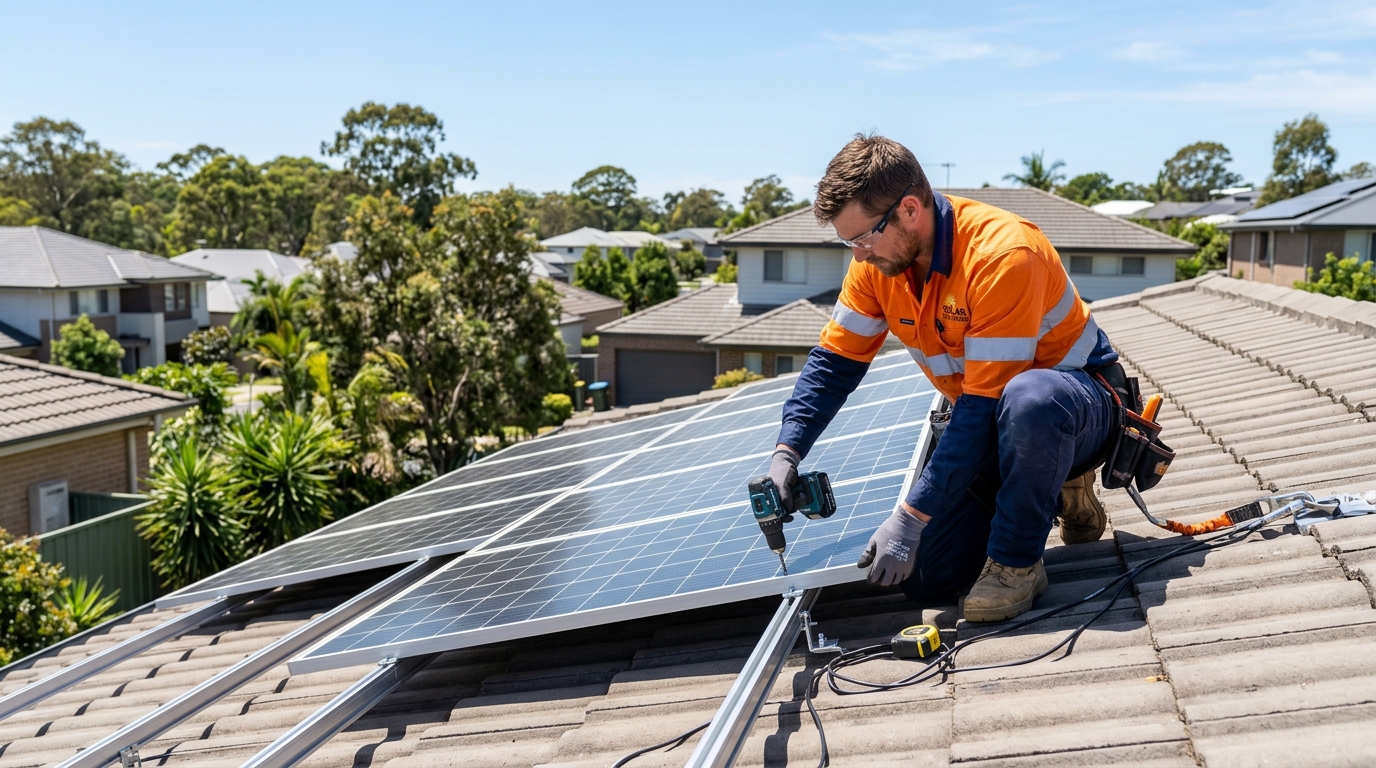
Quoting a solar panel installation starts with the system size — a common 6.6kW residential setup uses 16-18 panels at around $200-$350 per panel ex-GST, plus the inverter and mounting. Adding a 10kWh battery typically adds $8,000 to $12,000 including installation. Budget two tradies 1-2 days for a standard install, and separate STC rebates clearly as a discount, not part of your base price.
Understanding Solar System Components and Their Impact on Your Quote
When putting together a quote for a solar panel installation, you first need to detail the core components that make up the system. This means specifying the solar panels, inverter, and if included, battery storage. Panels vary by wattage, efficiency, and physical size; for example, a common residential installation might use 6.6kW of panels, typically 18 x 370W panels or 16 x 415W panels, costing around $200-$350 per panel ex-GST depending on brand and efficiency. The inverter quote is crucial; string inverters (like Sungrow or Fronius) are common, but micro-inverters or hybrid inverters (for battery readiness) will significantly change your overall solar install cost Australia. Make sure your line items clearly separate these components so your customer understands the breakdown. Always check current stock and pricing from suppliers like Rexel or MM Electrical to avoid surprises, especially with rapid changes in supply chains. QuoteMate helps keep these line items organised and updated.
Accurate Pricing for Panels, Batteries, and Labour for Australian Jobs
Getting the solar install cost Australia right means breaking down every expense. Panels, inverters, and battery storage pricing are your big ticket items, but don't forget the extras. Mounting systems vary wildly with roof type; tile roofs are quicker than corrugated iron or decramastic. Factor in wiring, conduit, safety switches, and a potential meter box upgrade. Labour is often underestimated: a standard 6.6kW system might take two tradies 1-2 days, but complex roofs or two-storey homes can add half a day for scaffolding or difficult access. For battery storage pricing, a 10kWh battery can add $8,000 to $12,000 to the job, including installation. Remember to account for Small-scale Technology Certificates (STCs), which significantly reduce the upfront cost for the homeowner; this needs to be clearly communicated in your quote as a discount, not part of your base price. A good quoting tool like QuoteMate will handle GST automatically and allow you to itemise these costs transparently.
Essential Warranties and Guarantees to Include in Your Quote
Your quote needs to clearly outline all warranties and guarantees to give customers confidence. There are usually three types: product warranty (for panels, inverters, batteries), performance warranty (for panels, ensuring they degrade slowly), and your workmanship warranty. Panels typically come with a 10-25 year product warranty and a 25-30 year performance warranty, guaranteeing a certain output level after decades. Inverters usually have a 5-10 year warranty, with options to extend. Batteries often have 10 years or a specific cycle count. Your workmanship warranty, often 5-10 years, covers the installation quality. Clearly stating these in your quote protects you and sets client expectations. For example, a quality solar panel might guarantee 85% of its original output after 25 years. You can reference specific product datasheets from suppliers like SolarEdge or LG for these details, ensuring you quote only approved products listed by the Clean Energy Council at www.cleanenergycouncil.org.au/solar-and-storage/products-and-retailers/approved-products.
Critical Site Assessment Details for a Robust Solar Installation Quote
A thorough site assessment is the backbone of an accurate solar panel installation quote. You need to check the roof type, pitch, and orientation; north-facing roofs are ideal in Australia. Identify any shading from trees, chimneys, or other buildings, as this drastically impacts system performance and panel layout. Confirm the structural integrity of the roof – older roofs might need reinforcement. Assess access for installation, noting if scaffolding, a cherry picker, or specialised safety equipment will be required. Inspect the existing electrical switchboard to see if it needs an upgrade to handle the solar feed-in, or if space is tight for the inverter or battery. Australian Standard AS/NZS 5033 outlines installation and safety requirements for PV arrays. Missing these details will lead to costly variations and eat into your margin, so allocate at least 45 minutes for a detailed site visit.
Choosing Quality Products and Meeting Australian Compliance Standards
To ensure customer satisfaction and avoid callbacks, always choose quality products that meet Australian standards and local regulations. Referencing reputable brands for panels (e.g., JinkoSolar, Trina Solar), inverters (e.g., Fronius, SMA), and batteries (e.g., Tesla Powerwall, LG Chem) builds trust. Ensure all components are Clean Energy Council (CEC) approved. Your quote should reflect compliance with AS/NZS 3000 (Wiring Rules), AS/NZS 5033 (Installation of photovoltaic arrays), and AS/NZS 4777 (Grid connection of energy systems). These standards are not suggestions; they're legal requirements. Using cheaper, non-compliant components might lower your initial quote, but it's a false economy that risks safety and your reputation. Always specify exactly which panels and inverters you plan to use, including model numbers, for instance, a Fronius Symo 5.0-3-M inverter. Regularly checking updates from standards.org.au helps you stay current with quoting compliant systems.
Common Quoting Mistakes That Undercut Your Solar Profitability
Many tradies lose money on solar installations due to preventable quoting errors. The biggest one is underestimating labour for tricky roofs or difficult access; an extra half-day on site can wipe out profit on a small job. Another mistake is not factoring in rising material costs between the quote and installation; always get current pricing and consider a short validity period for your quote, say 30 days. Failing to include a contingency for unforeseen issues, like an unexpected asbestos discovery or a required switchboard upgrade, is also a trap. Not specifying the exact inverter quote details, including any necessary optimisers, can lead to customer confusion and scope creep. Lastly, forgetting to include all necessary certifications, grid connection applications, and local council permits in your 'all-inclusive' price means you're absorbing those costs yourself. A 5% buffer for unforeseen circumstances on the total solar install cost Australia is a sensible addition to every quote.
Pro Tips
- Always specify exact panel, inverter, and battery models and brands in your quote.
- Factor in scaffolding and safety gear costs, especially for two-storey homes.
- Clearly separate STC rebates from the base system price so customers understand.
- Check current pricing from suppliers like Rexel or MM Electrical right before quoting.
- Include a 5-10% contingency for unexpected site challenges or material price hikes.
- Outline all product, performance, and workmanship warranties clearly in the quote.
- Confirm roof type and condition during site assessment; old roofs may need reinforcement.
Quote This Job in Under 2 Minutes
Skip the spreadsheet. QuoteMate’s AI pulls real-time supplier prices and generates a professional PDF quote you can send on the spot.
Or try it on the web →Related Trade
More Guides
- Pricing Up Termite Treatment: A Tradie's Guide to Accurate Quotes
- How to Quote a Concrete Slab Accurately: Protect Your Margin
- How to Quote Paving Installation: Nail Your Numbers Every Time
- How to Quote Carpet Cleaning for Tradies: Avoiding Common Traps
- Nailing Your Margin: How to Quote Bathroom Tiling Jobs Correctly
- Mastering How to Quote a Garage Door Replacement Accurately
- How to Quote Outdoor Kitchen Build Projects: A Tradie's Guide to Profit
- How to Quote Window Replacement: A Tradie's Guide to Accurate Estimates