Pricing Your Pest Inspections: A Guide on How to Quote Pest Inspection Jobs
Learn how to quote pest inspection jobs accurately for Australian properties. Cover all costs, from basic checks to comprehensive termite reports, and boost your business.
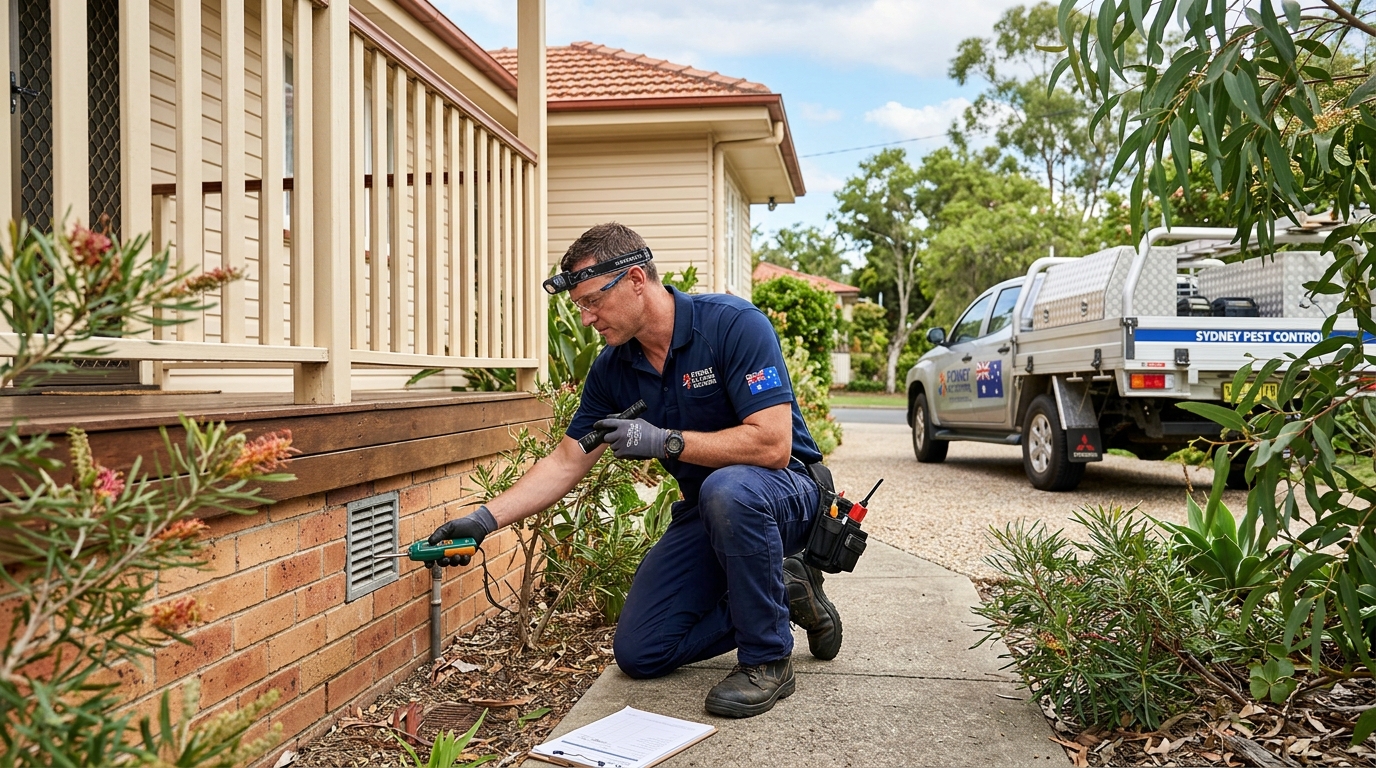
Understanding Standard Pest Inspection Costs for Australian Properties
To nail your profit margins as a pest controller, you need to know how to quote pest inspection jobs accurately. A standard visual pest inspection for a typical 3-bedroom home usually sits between $250 and $450, depending on your location and the property's accessibility. Don't just throw out a number; a precise quote covers your time, travel, and the detailed report expected by clients. For example, a thorough pre-purchase pest inspection, critical for homebuyers, demands more than a quick visual check. It requires detailed attention to timber pests and potential structural issues, justifying a higher fee. Your reputation rides on providing clear, comprehensive quotes that stand up to scrutiny, ensuring both you and your client know exactly what to expect from the service. Get it right, and you'll build trust and a solid client base. Most basic inspections take around 1.5 to 2 hours on site, not including travel or report writing time.
Key Factors Driving Your Pest Inspection Quote Prices
Your quote needs to reflect the scope and complexity of the job. The biggest factors influencing the price include property size, accessibility, and the type of pests suspected or targeted. A large, multi-level house with restricted subfloor or roof void access will take longer and cost more to inspect than a small, single-storey unit on a slab. Travel time is another big one; factor in your fuel and time spent getting to and from the site. If the property is rural, the travel component of your pest report price will naturally be higher. Always ask about the property's construction type and any known pest issues upfront. For a standard 200m² home, expect around $1.80-$2.20 per square metre for a comprehensive inspection, or around $350-$440.
Pricing Different Types of Pest Inspections and Reports
Not all pest inspections are created equal, and your pricing should reflect that. A basic visual pest inspection, often a general check for common pests like spiders and cockroaches, will be your lowest tier. Pre-purchase pest inspection services, which are critical for property transactions, must comply with Australian Standard AS 4349.3. These require thorough checks for timber pests like termites and borers, and their comprehensive nature commands a higher fee, typically ranging from $350 to $650 for an average home. A dedicated termite inspection cost is usually at the higher end, especially if it includes thermal imaging or invasive checks (with client permission). Always be clear about what each service includes. A combined building and pest inspection, often offered by property inspection firms, can push the total cost above $700, showing the value clients place on a thorough report.
Building a Comprehensive Quote for Pest Inspection Services
A solid quote clearly breaks down every cost, leaving no room for confusion. Start with the base inspection fee, detailing what type of inspection it is (e.g., visual pest inspection, pre-purchase timber pest inspection). Include any additional services, like thermal imaging for termites or specific pest treatment recommendations, as separate line items. Don't forget travel costs, especially for longer distances. Your time for writing the detailed pest report is also a significant component and should be accounted for in your hourly rate. Always remember to add GST, and make it clear that the total includes it. Using quoting software like QuoteMate helps you quickly generate professional, branded PDF quotes that itemise everything, ensuring transparency. For a standard pre-purchase report, factor in at least 1-2 hours for report generation on top of site time, at your standard hourly rate of $80-$120.
Strategies for Accurate Pricing: How to Quote Pest Inspection Effectively
Accurate pricing hinges on knowing your costs and the value of your expertise. Calculate your overheads (insurance, vehicle maintenance, equipment, software, marketing) and add a healthy profit margin. Don't be the cheapest; be the most thorough and transparent. When you learn how to quote pest inspection jobs, consider a tiered pricing structure: basic, standard, and comprehensive. This gives clients options and helps you upsell value. Always confirm the property details before quoting, especially the number of rooms, presence of subfloor access, and roof void accessibility. If you quote blind, you risk losing money on complex jobs. For new clients, offering a clear, detailed quote with a breakdown of a typical termite inspection cost can build immediate trust. A good guideline for profit margin on an inspection service is 20-30% above your operational costs.
Avoiding Cost Traps: Common Mistakes in Pest Inspection Quotes
Many tradies lose money by underestimating time or missing key details. A common mistake is not accounting for difficult access points like cramped subfloors or cluttered roof spaces, which significantly extend inspection time. Another trap is failing to specify what is *excluded* from the inspection – for example, areas that are inaccessible without moving heavy furniture or breaking security seals. Clear communication upfront prevents disputes later. Always have a contingency for unexpected findings that might require more detailed analysis or a different report type, but quote for the initial scope. Never assume the property size; verify it. Overlooking the true termite inspection cost or the complexity of a pre-purchase pest inspection can quickly erode your margin. Always confirm the full scope before committing to a price; a verbal estimate can change once you’ve seen the site, but a written quote should be solid for at least 7-14 days.
Delivering Value: Why a Detailed Pest Report Matters for Your Business
Your pest report is your key deliverable and a major part of your service's perceived value, justifying the pest report price. A comprehensive report doesn't just list findings; it explains them clearly, provides actionable recommendations, and includes photographic evidence. This level of detail protects both the client and your business. For pre-purchase inspections, adhere strictly to AS 4349.3 requirements, covering timber pests, evidence of previous treatments, and recommendations for further action. A well-written report helps clients understand the property's condition and the implications of any pest activity, often leading to follow-up treatment work for you. For consumer rights and expectations around property reports, check resources like those provided by Fair Trading NSW: www.fairtrading.nsw.gov.au/housing-and-property/buying-and-selling-property/property-inspections. Providing a thorough, professional report ensures client satisfaction and generates referrals, making your $450 report worth every cent.
Pro Tips
- Always specify the property's square metreage on your quote for transparency.
- Factor in travel time and fuel costs separately for properties outside your immediate service area.
- Use a tiered pricing structure (basic, standard, comprehensive) to suit different client needs.
- QuoteMate's line-item suggestions can help ensure you don't miss any critical components of a pest inspection.
- For pre-purchase inspections, confirm adherence to AS 4349.3 and clearly state this in your quote.
- Include a clause about inaccessible areas and potential extra charges for further investigation.
- Regularly review your pricing against your competitors and current operational costs.
- Don't just email a quote; follow up with a quick call to answer any questions.
Quote This Job in Under 2 Minutes
Skip the spreadsheet. QuoteMate’s AI pulls real-time supplier prices and generates a professional PDF quote you can send on the spot.
Or try it on the web →Related Trade
More Guides
- How to Quote Interior House Painting: A Tradie's Guide to Accurate Pricing
- How to Quote Retaining Wall Installation Accurately: A Tradie's Guide
- Mastering Fence Installation: How to Price Your Fencing Jobs Accurately
- Mastering How to Quote a Solar Panel Installation for Australian Tradies
- How to Quote Split System Air Conditioning: A Tradie's Guide to Accurate Pricing
- How to Quote Insulation Installation: A Tradie's Guide to Profit and Protection
- Mastering How to Quote Driveway Pressure Cleaning Accurately
- Stop Losing Work: How to Handle Missed Tradie Calls and Boost Your Bookings