Mastering Bathroom Waterproofing Quotes: How to Quote Bathroom Waterproofing Compliance for Profit
Accurate quoting for bathroom waterproofing compliance protects your business and client. Learn the standards, costs, and common pitfalls to quote smarter.
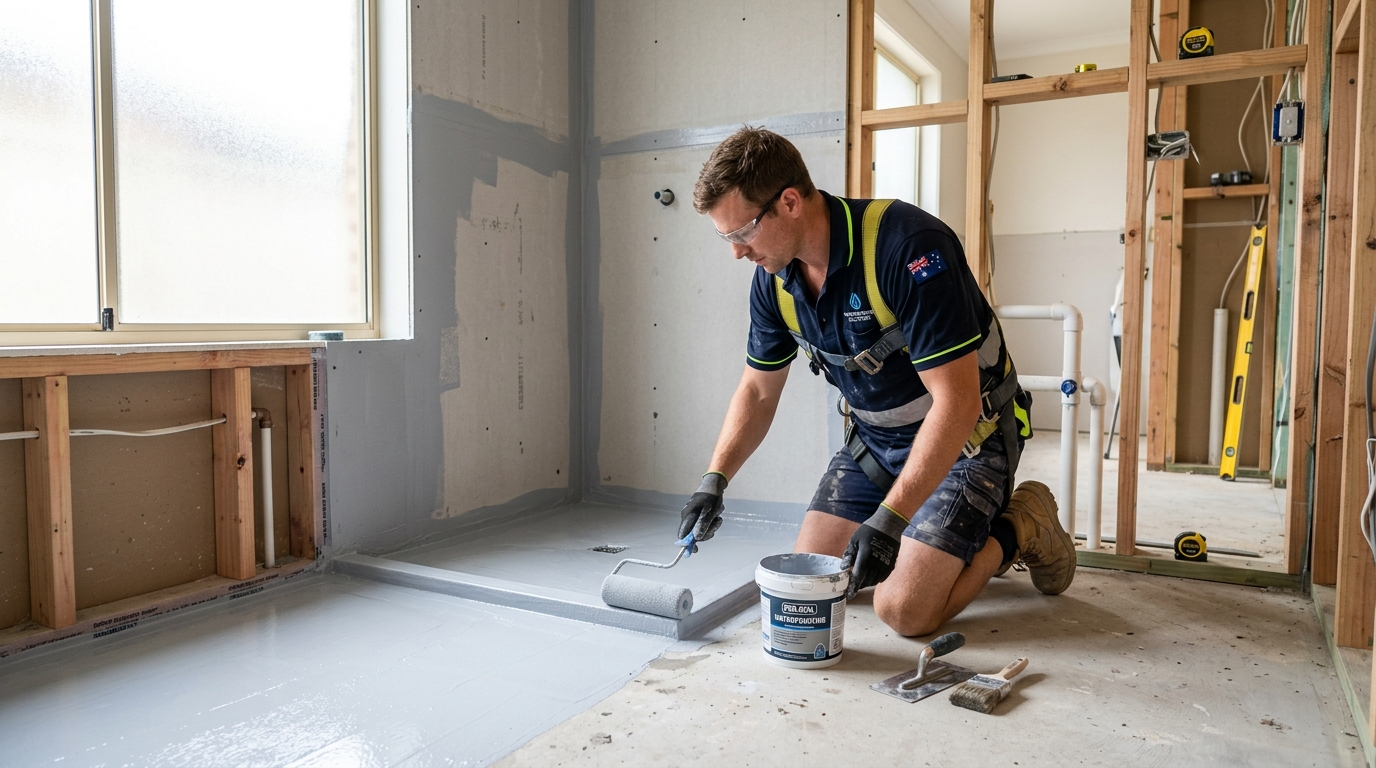
Getting Your Head Around Bathroom Waterproofing Costs
When quoting a bathroom reno, the waterproofing isn't just another line item; it's a critical, high-risk component that can sink your margin if you get it wrong. To correctly assess how to quote bathroom waterproofing compliance, you need to factor in membrane materials, labour, and crucial preparation work that often gets overlooked. The average cost for a standard bathroom waterproofing job, including materials and labour, typically sits between $800 and $1,500 for a 5-6 square metre wet area, but this can vary significantly based on the complexity of the layout, the type of membrane chosen, and regional labour rates. For instance, a small powder room might be on the lower end, while a large master ensuite with multiple shower heads and a freestanding bath could easily push past $2,000. Waterproofing failures are not just inconvenient; they're incredibly expensive to rectify, often costing upwards of $10,000 for a major strip-out and re-do. Getting the initial quote right is non-negotiable, safeguarding both your profit and your business reputation. This guide breaks down what to include so your quotes protect you from these common pitfalls.
Australian Standards for Wet Areas: What You Must Know (AS 3740)
Compliance with AS 3740 waterproofing is not optional; it's legally required for all wet area construction in Australia. Your quote must reflect the materials and methods that meet this standard, not just the cheapest option available. Specifically, AS 3740 outlines detailed requirements for membrane types, essential substrate preparation, ensuring adequate fall to drains, and precise protection of wall/floor junctions. For example, a waterproof membrane must extend a minimum of 150mm up the wall from the finished floor level in shower areas, and at least 25mm in other wet areas like baths, laundries, or floor waste areas. Showers must have a graded floor with a minimum of 1:100 fall to a waste, and the membrane must terminate directly within the waste opening. Furthermore, specific requirements exist for hobless showers, requiring continuous membrane application. Always check the latest edition of AS 3740, available from www.standards.org.au, for detailed specs relevant to your state and project. This ensures your membrane application price covers compliant work that won't fail inspections or lead to callbacks.
Components of a Bulletproof Waterproofing Quote
A comprehensive quote for bathroom waterproofing compliance includes several key line items beyond just the membrane itself, ensuring no hidden costs bite you later. Start with thorough substrate preparation, covering cleaning, grinding, patching any holes or cracks, and priming, which can add $80-$250 depending on surface condition and size. Then, specify the waterproof membrane (e.g., a high-quality liquid-applied product like Ardex WPM 001 or Davco K10 Plus, or a sheet membrane), estimating material cost at around $10-$25 per square metre for quality products, factoring in two coats for reliability. Include labour for application, typically 4-8 hours for a standard bathroom, priced at your hourly rate, plus essential curing time between coats and before tiling. Don't forget critical accessories like bond breakers (around $30-$50 per tube for a good polyurethane sealant), corner reinforcements, and puddle flanges (approx. $15-$30 each for stainless steel). Lastly, always account for mandatory inspections; some councils and states require pre-tiling inspections by a building certifier or surveyor, which can cost $200-$400 per visit. Accurately detailing these helps explain your overall wet area waterproofing cost and builds client trust.
Why Compliance Matters and the Risks of Cutting Corners
Cutting corners on bathroom waterproofing compliance is a false economy that leads to incredibly costly rectifications and significant legal headaches. Non-compliant work can result in insidious water leaks, extensive structural damage to timber framing or concrete slabs, unsightly mould growth behind walls, and timber rot, all of which are expensive and time-consuming to fix. Repair jobs often involve a complete strip-out and re-do of the bathroom, easily costing upwards of $10,000 to $20,000, not including the disruption to the homeowner. Beyond the substantial financial hit, non-compliance can void your builder's warranty insurance, expose you to legal action under Australian Consumer Law for defects, and severely damage your business reputation, leading to lost future work. As a tradie, you’re legally responsible for ensuring the work meets AS 3740 and the broader National Construction Code (NCC) requirements. An effective way to protect yourself and demonstrate value to your client is to clearly outline how your quote aligns with these stringent standards, ensuring they understand the necessity of a proper membrane application price and the meticulous process involved. This transparency reinforces your professionalism and commitment to quality.
Engaging a Licensed Waterproofer and Inspection Requirements
Many Australian states and territories require waterproofing work to be carried out by a licensed waterproofer, and your quote should clearly reflect this professional expertise. For example, in NSW, waterproofing is a specialist licence class, requiring specific qualifications and experience. This licensing ensures the work meets regulatory requirements, provides consumer protection, and typically offers a warranty period for peace of mind. Always include the cost of a licensed professional in your quote; it's a critical component of quality and compliance, not a place to skimp. Furthermore, building permits or local councils often mandate specific inspections before tiling can commence. These inspections verify the correct application of the waterproof membrane and its compliance with AS 3740, the NCC, and local council stipulations. Factor in the certifier's or surveyor's fee, typically $200-$400 per visit, and any potential project delays for inspection scheduling or rectification if initial inspections fail. Clearly explaining these costs and requirements to your client when discussing how to quote bathroom waterproofing compliance is crucial to avoid surprises later and build trust.
Best Practices for Quality & Durability
Ensuring quality and long-term durability in bathroom waterproofing goes far beyond just applying a membrane; it starts with meticulous planning, correct material selection, and rigorous execution. Always use high-quality, reputable waterproofing products from trusted suppliers, ensuring they are certified and comply with AS 3740. Double-check product data sheets for specific application instructions, optimal temperature ranges, and crucial curing times. Adequate surface preparation, including grinding and thorough cleaning to remove all dust, grease, and contaminants, is paramount for membrane adhesion. Apply bond breakers correctly in all internal corners and around penetrations, as these critical junctions are common failure points. Two coats of membrane are standard best practice, applied at right angles to each other, allowing proper curing between coats as per manufacturer specs. By focusing on these details, your work will stand the test of time, significantly reducing callbacks and safeguarding your professional reputation, making your wet area waterproofing cost a sound, long-term investment for the client. Using a system like QuoteMate helps ensure all these critical line items are included consistently in every quote.
Avoiding Common Waterproofing Quote Mistakes
The biggest mistake tradies make when quoting bathroom waterproofing compliance is underestimating the time required for substrate preparation or not accounting for unforeseen substrate issues. Cracks, unstable sub-floors, or residual moisture will compromise any membrane, requiring more labour and materials than initially budgeted. Always allow for adequate drying and curing time for primers and membranes; rushing the job will inevitably lead to failures down the line. Another common error is failing to price in all the ancillary components like puddle flanges for floor wastes, angle fillets, or bond breaker tapes and sealants – these small items collectively add up to significant costs. Forgetting to factor in mandatory inspections or the potential for a re-inspection if the first fails can also quickly eat into your margin. Price for two coats of membrane, even if some products claim single coat performance, as this provides a superior, more durable finish. Always add a 10-15% contingency for unforeseen issues, especially when working on older homes where surprises are common.
Pro Tips
- Always inspect the substrate thoroughly for moisture or damage before quoting.
- Factor in at least two coats of membrane, even if product specs suggest one, for superior durability.
- Quote for bond breakers and puddle flanges as standard; they're essential for compliance and longevity.
- Specify AS 3740 compliance clearly in every quote to manage client expectations and demonstrate quality.
- Allow for mandatory inspection fees (typically $200-$400) and potential re-inspections in your timeline and costs.
- Use a quality liquid-applied membrane from reputable suppliers (e.g., Ardex, Davco) and account for curing time.
- Add a 10-15% contingency to cover unexpected site conditions or material cost hikes, especially in older builds.
Quote This Job in Under 2 Minutes
Skip the spreadsheet. QuoteMate’s AI pulls real-time supplier prices and generates a professional PDF quote you can send on the spot.
Or try it on the web →Related Template
Related Trade
More Guides
- How to Quote a Granny Flat Build in Australia
- How to Quote a Colorbond Fence in Australia
- How to Quote Flooring Installation in Australia
- How to Quote a Carport Build in Australia
- How to Quote a Patio Extension in Australia
- How to Quote a Shed Build in Australia
- How to Quote a Driveway Gate Installation in Australia
- How to Quote Gutter Replacement in Australia