Mastering How to Quote a Hot Water System Replacement for Profit
Learn how to quote a hot water system replacement accurately. Cover system types, labour, permits, and supplier costs to protect your margin.
What Drives the Price of a Hot Water System Replacement?
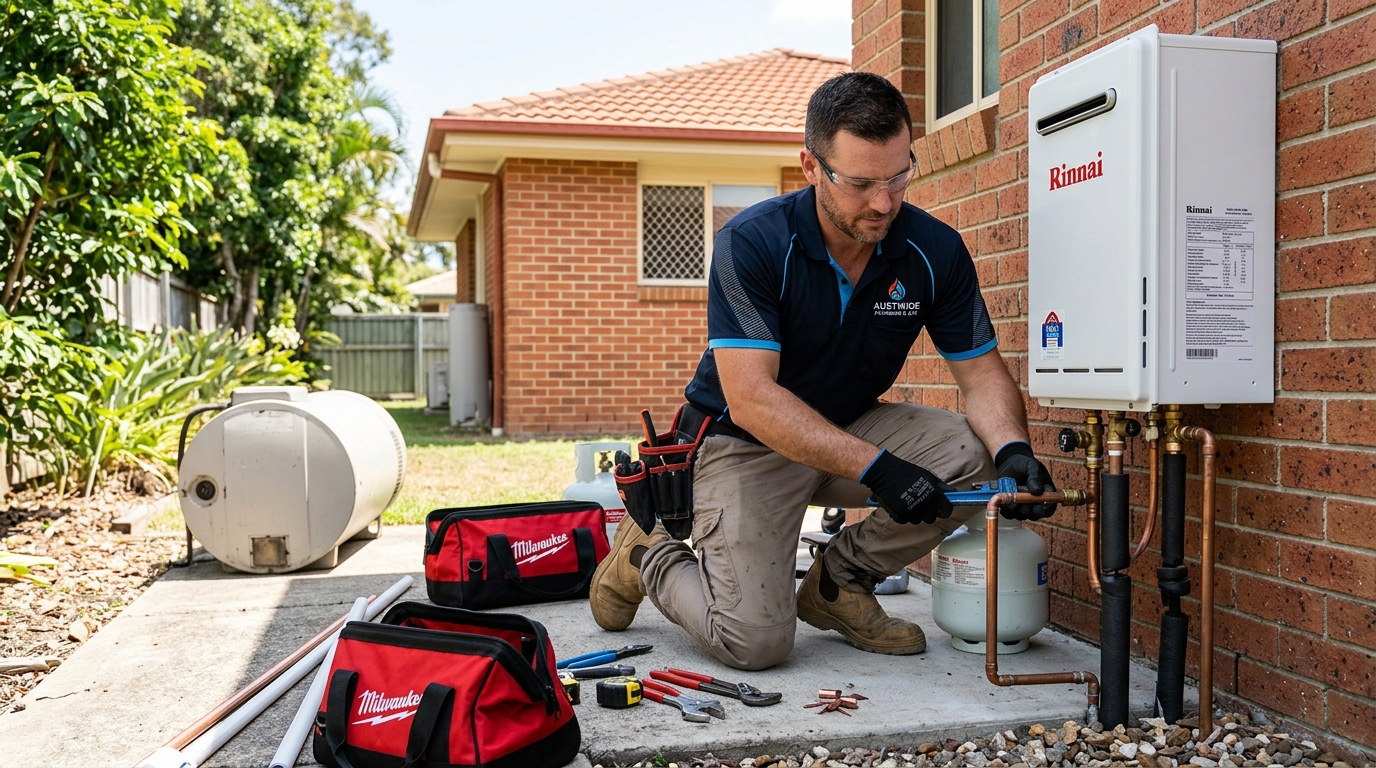
Plumbers know that learning how to quote a hot water system replacement accurately is key to a profitable job, but it's easy to undersell yourself or hit a snag. The biggest traps are site conditions and assuming all systems are simple swaps. You need to factor in everything from the type of system to accessibility and specific plumbing requirements. A proper hot water system cost breakdown starts here. Replacing a standard electric storage unit with a like-for-like system in an easily accessible location will always be cheaper than upgrading to a heat pump in a tight roof space or converting from electric to gas. Always scout the site for challenges like limited access, corroded pipework, or the need for electrical upgrades. These aren't just minor extras; they're cost drivers that can quickly eat into your margin if not quoted upfront. For example, moving a hot water unit often requires re-running services, which adds significant labour and materials. Neglecting to price these details turns a good job into a headache, so get it right from the start.
Breaking Down Hot Water System Types and Their Costs
Your quote needs to reflect the specific hot water system type chosen by the client, as their initial and running costs vary significantly. Electric storage units are often the cheapest upfront, ranging from $600 to $1,500 for the unit itself, before installation. Gas instantaneous or storage systems generally sit between $800 and $2,000 for the unit, with additional costs for gas line installation if converting. When clients ask about gas vs electric hot water, highlight the efficiency differences. Heat pump units, while having a higher initial hot water system cost of $2,500 to $4,500 for the unit, offer substantial long-term energy savings. A detailed heat pump install quote must account for their larger size, heavier weight, and specific electrical requirements. Always check current pricing with suppliers like Reece or Tradelink, as unit costs fluctuate seasonally.
Getting Your Labour and Installation Costs Right
Accurately pricing your labour is non-negotiable for a profitable hot water system replacement. For a straightforward like-for-like swap in an accessible location, expect around 3-4 hours of labour. This includes isolating services, draining, removal, installation, testing, and commissioning. However, if you're upgrading from electric to gas, or a more complex heat pump install quote, you could be looking at 6-8 hours or more. Factors like difficult access (underfloor, roof cavity), extensive pipework modifications (e.g., converting copper to PEX), or electrical circuit upgrades (especially for larger electric or heat pump systems) add significant time. Don't forget travel time and any specific site induction requirements. Most plumbers charge between $80 to $120 per hour, so accurately estimating hours directly impacts your total quote.
Accounting for Permits, Disposal, and Extra Materials
Compliance and proper disposal are critical components of any hot water system replacement quote. Always include the cost of relevant plumbing and electrical permits. In most Australian states, a licensed plumber must issue a Compliance Certificate for regulated work, which involves a fee. You'll also need to factor in the disposal fee for the old unit, which can range from $50 to $150 depending on its size and local waste facilities. Beyond the main unit, don't forget the small but essential materials: pressure limiting valves (AS 1357.2 compliant), tempering valves (AS 4032.2 compliant), pipe lagging, extra copper or PEX tubing, fittings, and electrical cable. A common mistake is to underquote these 'minor' items, which can easily add up to $200-$400 on a standard job. For permit information, check your local council or state government building authority's website, for example, a quick search for 'plumbing permits NSW' on fairtrading.nsw.gov.au.
Helping Customers Choose: Efficiency and Running Costs
When putting together your quote, guiding customers on long-term running costs can help them make informed decisions and secure higher-value jobs. Electric storage units, while cheaper upfront, are typically the least energy-efficient. Gas instantaneous systems offer better efficiency, heating water on demand. Heat pumps are the most energy-efficient, using ambient air to heat water, similar to a reverse-cycle air conditioner. Explain the star ratings or energy efficiency labels. For example, a 5-star gas unit will have lower running costs than a 3-star unit, potentially saving hundreds of dollars a year. While the initial hot water system cost for a heat pump is higher, highlighting the potential for 70% or more savings on hot water bills makes a strong case. This approach helps you quote a hot water system replacement that truly meets the client's needs and budget.
Navigating Government Rebates and Incentives
Many homeowners can access government rebates or incentives when upgrading to more energy-efficient hot water systems. These schemes, primarily for heat pumps or solar hot water, vary by state and local council. For instance, the Victorian Energy Upgrades (VEU) program or the NSW Energy Savings Scheme (ESS) offer significant subsidies that can reduce the out-of-pocket hot water system cost for your clients. As a tradie, you need to be aware of these programs as they can significantly influence a customer's decision to upgrade. Always direct clients to official government websites or energy-saving program portals to check current eligibility and available rebates, as these can change. Helping them understand these potential savings strengthens your proposal and can make a high-efficiency heat pump install quote more appealing.
Common Traps When Quoting Hot Water Replacements
Underquoting a hot water system replacement can quickly turn profit into loss. One common trap is failing to thoroughly inspect the existing setup for hidden issues like asbestos lining around old pipes, rotten subfloor from past leaks, or inadequate existing electrical circuits. Always verify current supplier pricing using an app like QuoteMate to ensure your material costs are up-to-date, especially for units and major components. Another error is underestimating the time required for disposal or the complexity of moving units. Forgetting minor components like new GPOs, mounting brackets, or specific drainage requirements can also erode your margin. Don't just quote for the new unit; quote for a complete, compliant, and problem-free installation. Always build in a small contingency (5-10%) for unforeseen issues, especially on older properties. This protects your business and ensures you're compensated fairly for your expertise.
Pro Tips
- Always conduct a thorough site inspection before quoting any replacement job.
- Verify current supplier pricing for hot water units and parts immediately before issuing a quote.
- Factor in disposal costs for the old unit to avoid unexpected landfill fees.
- Don't forget mandatory valves like pressure limiting and tempering valves, compliant with Australian Standards.
- Educate clients on energy efficiency to justify higher-cost, more efficient systems.
- Confirm the existing electrical supply is sufficient for heat pump installations.
- Include a small contingency in your quote for unforeseen site challenges.
Quote This Job in Under 2 Minutes
Skip the spreadsheet. QuoteMate’s AI pulls real-time supplier prices and generates a professional PDF quote you can send on the spot.
Or try it on the web →Related Template
Related Trade
More Guides
- How to Quote a Bathroom Renovation in Australia
- How to Quote a Deck Build in Australia
- How to Quote a Kitchen Renovation in Australia
- How to Quote a Fence Installation in Australia
- How to Quote Painting a House in Australia
- How to Quote a Concrete Driveway in Australia
- How to Quote a Solar Panel Installation in Australia
- How to Quote a Pergola Build in Australia